The International Cooperation Offices at Gharyan, Wadi Al-Shati, and Nalut Universities organized an international workshop on new theories in engineering with the participation of more than 110 professors and students from Libyan and Indian universities.
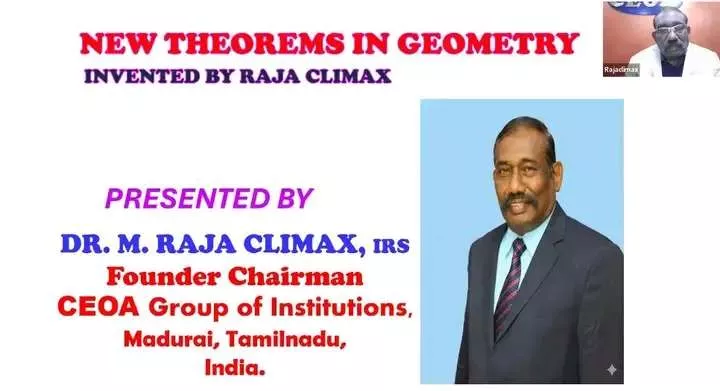
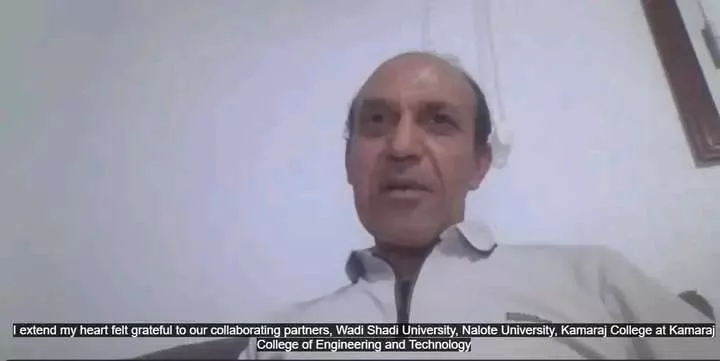




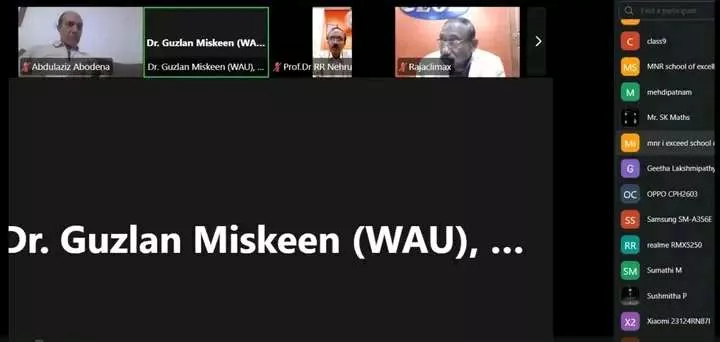
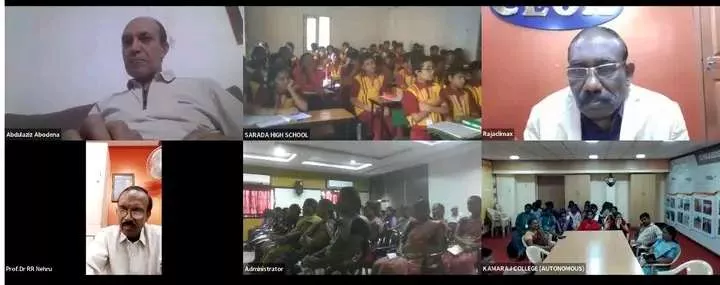
On Wednesday, July 22, in the framework of strengthening international academic cooperation and exchanging scientific expertise, the International Cooperation Offices at Gharyan, Wadi Al-Shati, and Nalut Universities, in collaboration with several academic institutions in the Republic of India, organized an international virtual workshop titled “New Theories in Engineering by Dr. M. Raja Climax”, with wide participation from faculty members, researchers, and students.The workshop witnessed distinguished attendance, reflecting the growing academic ties between higher education institutions in both countries and highlighting the importance of international platforms in enhancing knowledge and expertise exchange.The opening remarks were delivered by Dr. Abdulaziz Aboudina, Director of the International Cooperation Office at Gharyan University; Dr. Ghazlan Mohamed Al-Zrouq, Director of the International Cooperation Office at Wadi Al-Shati University; and Dr. Naji Bouras, Director of the International Cooperation Office at Nalut University. They emphasized that this event marks a new milestone in academic cooperation between Libyan and Indian universities and reflects a shared belief in the importance of international scientific partnerships in supporting research and knowledge exchange.Several Indian academic institutions contributed to organizing the workshop, including Kamaraj College, Kamaraj College of Engineering and Technology, and CEOA College of Arts and Science, while the Libyan universities hosted the event as part of their efforts to expand international cooperation networks and open new horizons for academic communication.The workshop featured a distinguished scientific lecture by Dr. M. Raja Climax, who presented his latest innovative theories in engineering, explaining their scientific foundations and applications. His presentation sparked great interest among participants and led to rich scientific discussions among academics and researchers from the participating universities.At the conclusion of the workshop, the organizers expressed their deep gratitude and appreciation to the keynote speaker and all Indian academic partners, valuing their active participation and efforts in making this scientific event a success. They affirmed that this workshop represents a new step toward expanding international cooperation between Libyan and Indian universities and launching more joint research programs and academic events, contributing to the advancement of higher education quality and strengthening the international presence of Libyan universities.