Participation of the Director of the Office for the Support and Empowerment of Women at the University of Gharyan in a workshop entitled “Women’s Real Estate Ownership in Libya: Reality and Challenges”
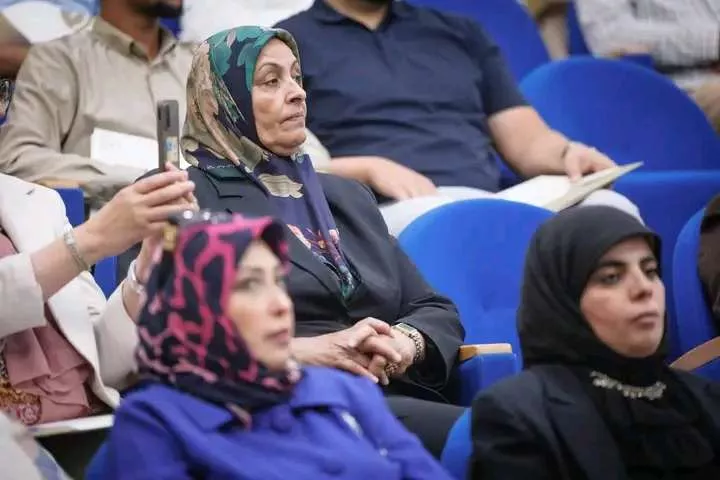
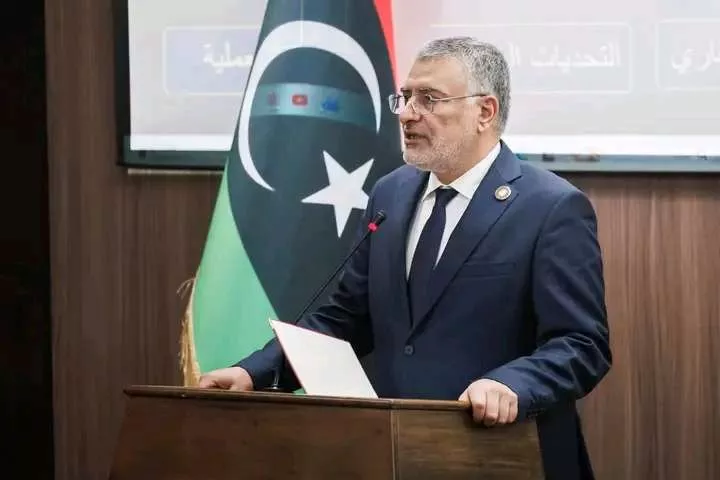
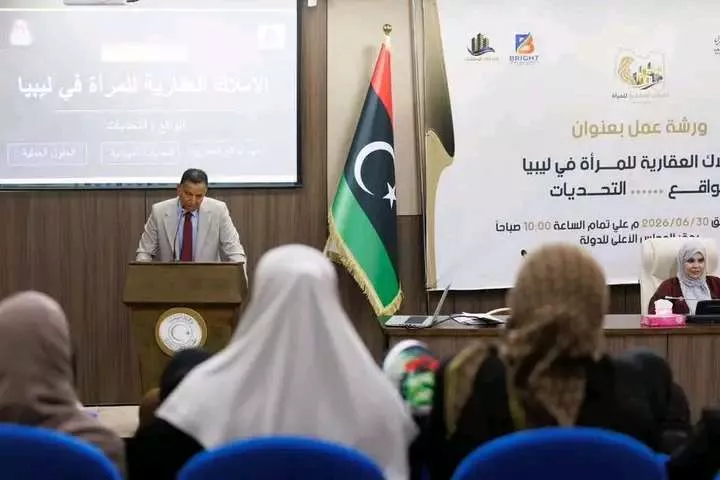
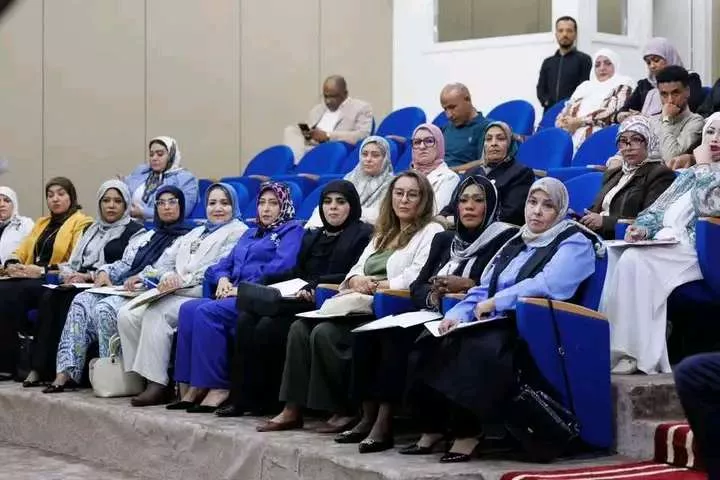
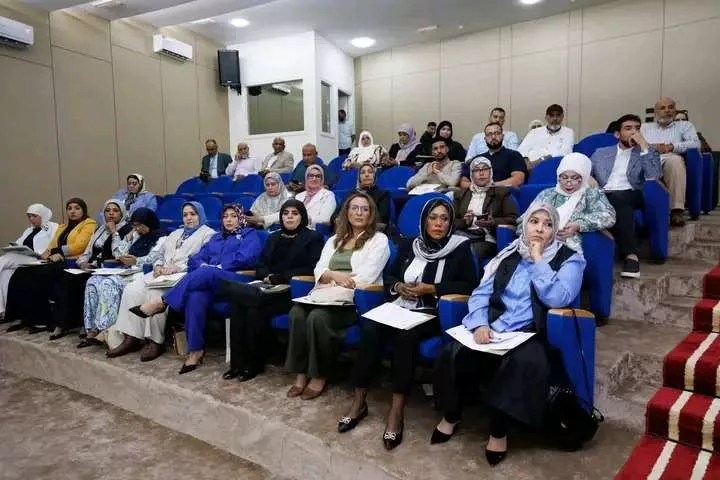
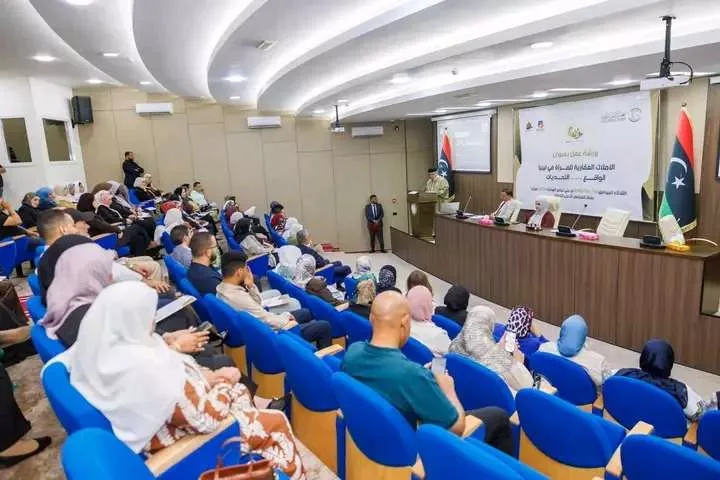
Participation of the Director of the Office for the Support and Empowerment of Women at the University of Gharyan, Dr. Ibtisam Al-Dhabea, through the organization of the High Council of State, with the attendance of the Council’s President Dr. Mohamed Takala, on Tuesday, June 30, 2026, in a workshop entitled “Women’s Real Estate Ownership in Libya: Reality and Challenges,” held at the Council’s headquarters in the capital Tripoli, in joint organization with Bright Career (Libya Al-Mushriqa for Consulting and Business Development), with the presence of several Council members, representatives of legislative and executive bodies, civil society institutions, and a group of legal experts, advisors, and those interested in legal affairs.
The workshop addressed the reality of women’s rights in real estate ownership and the legal and procedural challenges they face. It featured dialogue sessions discussing mechanisms to move from rigid texts to practical solutions that ensure the protection of rights and enhance access to justice. Participants also presented several legislative and procedural proposals, including developing the legal framework governing inheritance of real estate, activating electronic linkage between relevant authorities to ensure faster transfer of ownership, simplifying administrative procedures to protect heirs’ rights, and strengthening litigation mechanisms to expedite resolution of disputes related to real estate inheritance.
At the conclusion of the workshop, participants emphasized the importance of completing the review of relevant legislation to meet the requirements of the current stage, enhancing coordination between judicial, executive, and administrative bodies to ensure effective implementation of laws, and stressing the need to establish monitoring and procedural mechanisms that contribute to protecting rights and preventing practices that hinder rightful ownership. This, they noted, would reinforce the rule of law and support social stability and sustainable development.